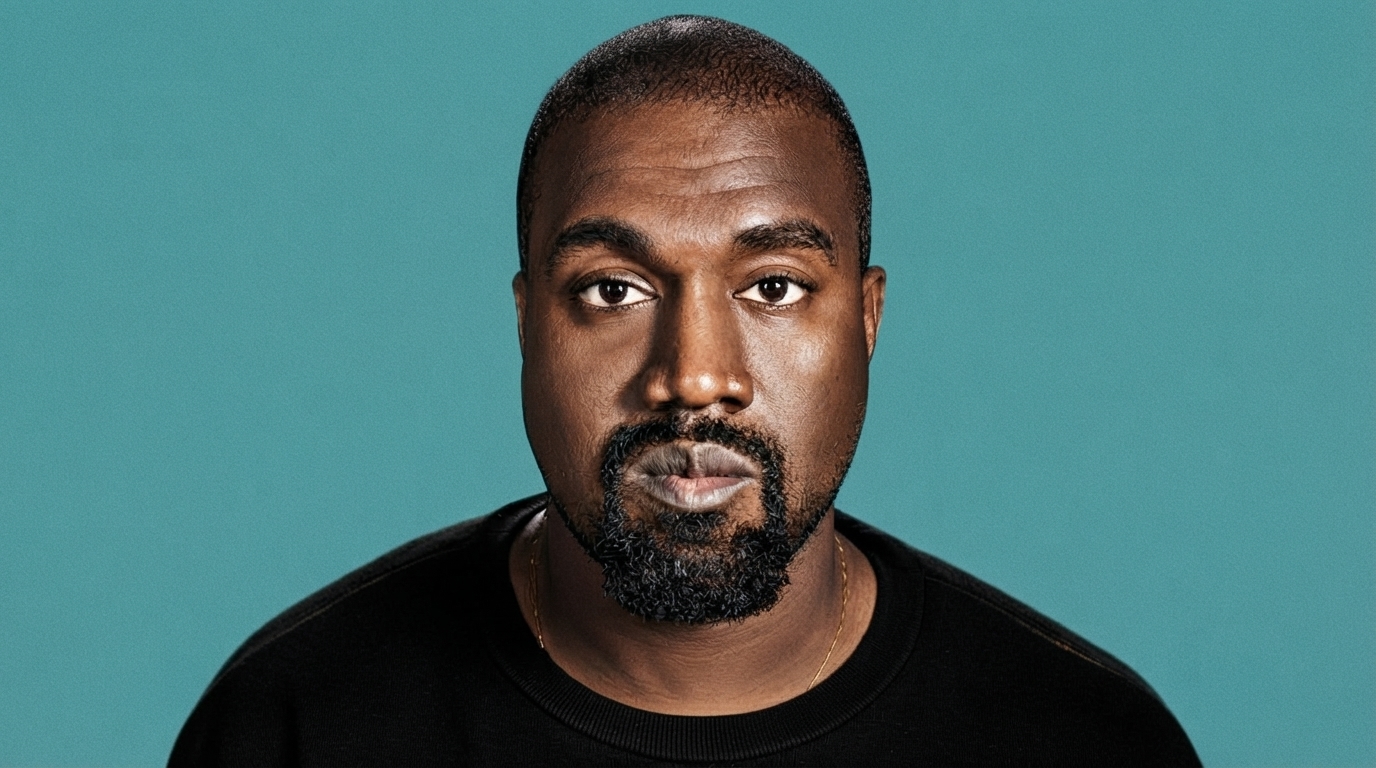
In 2021, Kanye West was worth an estimated $6.6 billion. By the end of 2022, that number had collapsed to around a billion. In 2026, most financial outlets place him somewhere between $350 million and $400 million, while Kanye himself insists the real figure is closer to $2.77 billion. The full story behind the numbers is really a case study in how fast celebrity wealth can vanish when it’s built on partnerships rather than assets you fully control.
How Much Is Kanye West Worth in 2026?
Kanye West net worth 2026 As of mid 2026, Forbes estimates his net worth at around $400 million, while Celebrity Net Worth places it slightly lower at roughly $350 million. Kanye disputes both figures, citing a valuation from Eton Venture Services that puts his fortune at $2.77 billion, largely based on his full ownership of the Yeezy trademark. Investormint’s detailed breakdown notes that this higher figure hasn’t been corroborated by Forbes, Bloomberg, or any other mainstream outlet, mainly because a trademark without manufacturing and distribution behind it is worth far less in practice than it looks on paper.
The Full Story Behind the Numbers: How He Got Here
From Producer to Billionaire
Kanye’s career started in the early 2000s producing beats for Roc-A-Fella Records, including work on Jay-Z’s The Blueprint. His 2004 debut album The College Dropout sold more than four million copies and launched him as a performer in his own right. For years after that, his wealth grew steadily through music royalties and production credits, the normal path for a successful recording artist.
The Adidas Deal That Changed the Scale Entirely
Kanye West Net Worth Everything changed in 2016 when the Yeezy partnership with Adidas launched. The sneaker line became one of the most successful celebrity collaborations in fashion history, and by March 2021 Bloomberg estimated his total net worth at $6.6 billion, almost entirely attributable to the projected value of that single partnership.
The Collapse in 2022
In October 2022, Adidas terminated the Yeezy partnership following Kanye’s antisemitic remarks, and Gap and Balenciaga cut ties shortly after. Forbes estimated the Adidas deal alone had accounted for roughly $1.5 billion of his previous net worth. By the end of 2022, his fortune had fallen to around $1 billion, and it kept sliding from there.
What He Still Owns
His current verified assets include his music catalog, real estate holdings, cash, and a reported 5 percent stake in SKIMS, the shapewear brand founded by his former wife Kim Kardashian. He also retains 100 percent ownership of the Yeezy trademark itself, even though the infrastructure that once made it valuable, Adidas’s manufacturing and retail network, is gone.
The Independent Era
Kanye released his twelfth studio album, Bully, in March 2026 through his own YZY imprint in partnership with independent distributor Gamma, a clear pivot toward full creative and financial control rather than relying on major label or brand backing. He also returned to the stage in Los Angeles in 2026 after a five year absence, testing whether an independent model can generate the kind of revenue his corporate partnerships once did.
Why the $2.77 Billion Claim Doesn’t Hold Up for Most Analysts
The gap between Kanye’s self reported figure and Forbes’s estimate comes down to one core disagreement: how much a trademark is worth without the infrastructure to actually sell products at scale. Kanye owns the Yeezy name outright, but owning a name isn’t the same as owning a supply chain, retail distribution, or manufacturing capacity. Without those pieces, most financial analysts treat the brand’s standalone value as far more modest than Kanye’s own estimate suggests.
What the Collapse Teaches About Brand-Dependent Wealth
Kanye’s story is one of the fastest and largest wealth collapses in modern entertainment, and the lesson isn’t really about the controversy itself. It’s about concentration. When the overwhelming majority of a fortune sits inside a single corporate partnership, losing that one relationship can erase billions almost overnight. Diversified ownership across several independent income sources tends to hold up far better under pressure than a fortune leaning entirely on one deal. If you want to compare his trajectory to other public figures whose wealth depended heavily on a single brand relationship, our full roundup of celebrity net worth stories covers a few more examples worth reading.
Final Thoughts
Kanye West’s net worth in 2026 depends heavily on who’s doing the counting, but the broader arc is clear regardless of which number you accept. A fortune built almost entirely on one corporate partnership can disappear nearly as fast as it appeared once that partnership ends. For more detail on how his current assets compare to his 2021 peak, Koimoi’s full financial timeline walks through the numbers in more detail. And if you’re curious how other entertainers have managed similar highs and lows, browse more net worth breakdowns on our site.
Frequently Asked Questions
1. What is Kanye West’s actual net worth in 2026?
Kanye West net worth 2026 Forbes estimates it at around $400 million, while Celebrity Net Worth places it closer to $350 million. Kanye disputes both, claiming a valuation of $2.77 billion based on an independent assessment of his Yeezy trademark.
2. Why did Kanye West lose so much of his fortune?
The bulk of the loss came from Adidas ending the Yeezy partnership in October 2022 following his antisemitic remarks, with Gap and Balenciaga also cutting ties shortly after. Forbes attributed roughly $1.5 billion of his prior net worth directly to the Adidas deal alone.
3. Does Kanye West still own the Yeezy brand?
Yes, he retains 100 percent ownership of the Yeezy trademark, though without Adidas’s manufacturing and distribution network behind it, most analysts consider its standalone value far lower than during the partnership era.
4. What is Kanye West doing financially in 2026?
Kanye West net worth 2026 He released his album Bully in March 2026 through his own independent imprint, YZY, distributed via Gamma, and returned to live performance in Los Angeles after a five year break, both signs of a shift toward an independent, self controlled business model.
About the Author