Influencers are no longer your cool aunt posting pictures on the internet. Today they operate actual digital businesses. It has become a worldwide industry known as creator economy in which these creators are paid from multiple income streams instead of being dependent on one platform for their living.
So if you’re thinking about how influencers make money — the answer in a nutshell is simple: they turn their audience into cash by monetizing that audience with partnerships, products, ads and digital services.
Brand sponsorships, affiliate marketing, ads, digital products, memberships and social commerce are ways that influencers make money. Many successful creators blur a few income streams to create stable long-term revenue.
In this guide, you’ll learn exactly how influencers create streams of income, earning potential for creators, plus how beginners can forge their own paths to creator income.
What Is an Influencer?
An influencer can be defined as a content creator who has developed an engaged following on social platforms like Instagram, TikTok, YouTube or Twitch and does influence people’s purchasing decisions.
Brands forge relationships with influencers because followers respect the opinion of the influencer. As an enterprises, you would rather face this sort of natural home promotion with influencers than towards do-around advertising methods.
Here are some of the biggest players in the creator economy:
- Instagram
- TikTok
- YouTube
- Twitch
- Blogs and podcasts
These platforms allow creators to turn their content into a real source of income.
Also Read : How to Become a Successful Influencer
How Influencers Make Money: The Main Income Streams
Understanding how influencers make money becomes easier when you look at the different revenue sources available today.
Most influencers use several of these methods at the same time.
1. Brand Sponsorships
Brand deals are one of the most common ways how influencers make money.
Companies pay creators to promote products in posts, videos, or stories. This is known as brand sponsorship or brand collaborations.
Typical sponsored content includes:
- Instagram posts or reels
- TikTok videos
- YouTube product reviews
- Sponsored livestreams
Influencers must disclose sponsorships using tags like #ad or #sponsored according to advertising guidelines.
Also Read : What is Fanfix and How Creators Make Money
2. Affiliate Marketing
Another major way how influencers make money is through affiliate marketing.
Creators promote a product and earn a commission every time someone buys through their link.
Popular affiliate platforms include:
- Amazon Influencer Program
- Shopify affiliate network
- Brand affiliate programs
For example, a tech YouTuber may review a camera and include an affiliate link. Every purchase generates a percentage of the sale.
Affiliate marketing works well because influencers earn passive income even after the content is published.
Also Read : Highest Paid YouTubers 2026
3. Ad Revenue From Content Platforms
Advertising is another common answer to how influencers make money.
Platforms pay creators when ads run on their content.
Popular monetization systems include:
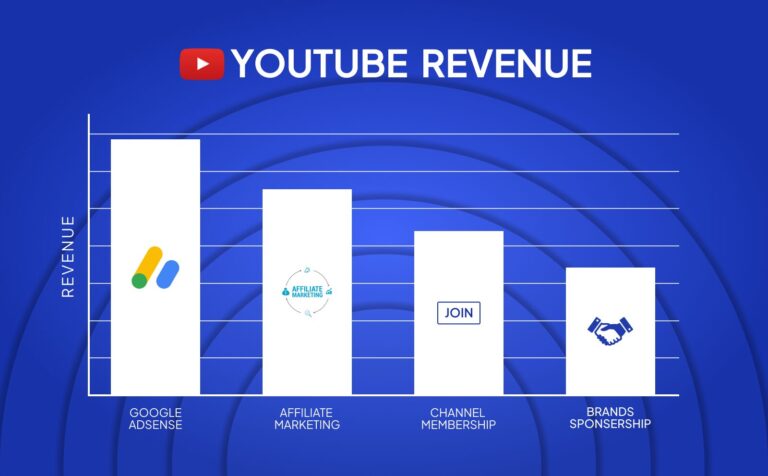
- Google AdSense for YouTube
- TikTok Creator Rewards
- Twitch subscriptions and ads
For example, YouTubers earn money when viewers watch ads before or during their videos.
However, ads alone rarely generate large income unless the creator has millions of views.
4. Selling Digital Products
Many creators increase earnings by selling their own digital products.
Examples include:
- Online courses
- Photography presets
- Design templates
- E-books
- Paid newsletters
Platforms like Shopify make it easy for influencers to build their own online store.
Selling products allows influencers to keep most of the revenue instead of sharing it with brands.
5. Memberships and Subscriptions
Subscription income is growing quickly in the membership economy.
Creators can offer exclusive content through platforms like Patreon or paid community memberships.
Subscribers may receive:
- Exclusive videos
- Private live streams
- Behind-the-scenes content
- Community access
Recurring subscriptions create stable monthly income.
6. Social Commerce and TikTok Shop
Social commerce is one of the fastest growing ways how influencers make money today.
Platforms now allow creators to sell products directly through their content.
For example:
- TikTok Shop lets viewers buy products inside the app
- Instagram allows product tagging in posts
Influencers can earn commissions from every purchase made through their content.
7. User Generated Content (UGC) Creator Work
Not every creator needs a large audience.
Some people make money as UGC creators, producing content for brands without posting it to their own followers.
Companies hire creators to film product videos or ads that brands later use in marketing campaigns.
This has become a major part of the creator economy.
Influencer Earnings by Follower Count
Influencer income varies widely depending on audience size and engagement.
| Influencer Type | Followers | Average Sponsored Post |
| Nano Influencer | 1K – 10K | $10 – $100 |
| Micro Influencer | 10K – 100K | $100 – $1,000 |
| Mid-Tier Influencer | 100K – 500K | $1,000 – $5,000 |
| Macro Influencer | 500K – 1M | $5,000 – $10,000 |
| Mega Influencer | 1M+ | $10,000+ |
This table shows another practical example of how influencers make money depending on their audience size.
However, engagement often matters more than follower count.
How Micro Influencers Make Money
Many beginners assume millions of followers are required, but that’s not true.
Micro creators often succeed because their audience is highly engaged.
Ways how influencers make money with smaller audiences include:
- Affiliate marketing
- Niche brand deals
- Digital products
- UGC content creation
- Community memberships
Brands frequently prefer smaller creators because they have stronger relationships with their audience.
Platforms That Pay Influencers the Most
Different platforms support different monetization options.
| Platform | Best Monetization Method |
| Brand sponsorships | |
| TikTok | Social commerce and brand deals |
| YouTube | Ads and affiliate marketing |
| Twitch | Subscriptions and livestream donations |
| Blogs | Affiliate marketing and ads |
Understanding where audiences spend time helps explain how influencers make money on each platform.
How Beginner Influencers Start Earning
Many people search for how influencers make money because they want to become creators themselves.
Here is the typical path.
Step 1: Choose a Niche
Successful influencers usually focus on a specific topic such as:
- Fitness
- Travel
- Technology
- Beauty
- Personal finance
A clear niche helps attract a dedicated audience.
Step 2: Build an Engaged Audience
Creators grow by posting helpful or entertaining content consistently.
Useful tools include:
- Canva for graphics
- CapCut for short videos
- Adobe Premiere for editing
- Hootsuite or Sprout Social for scheduling posts
These tools make content creation easier.
Step 3: Start Monetizing
Once creators build an audience, they can begin exploring how influencers make money through brand deals, affiliate marketing, or digital products.
Even small creators can start earning with a few thousand followers.
Influencer Business Models in the Creator Economy
Today’s creators treat their audience like a business asset.
The most successful influencers combine multiple revenue streams.
Typical creator income models include:
- Advertising model – earnings from ads and brand partnerships
- Product model – selling courses, digital products, or merchandise
- Community model – membership subscriptions
- Affiliate model – earning commissions from product recommendations
Combining several models makes influencer income more stable.
Common Mistakes New Influencers Make
Understanding how influencers make money also means avoiding common mistakes.
Many beginners struggle because they:
- Buy fake followers
- Depend on one platform
- Ignore audience trust
- Fail to disclose sponsorships
Long-term success comes from building real engagement and authentic content.
Influencer Taxes and Legal Rules
When creators start earning income, they must also handle business responsibilities.
Important considerations include:
- Declaring sponsorship income for taxes
- Using contracts for brand deals
- Disclosing paid promotions
These rules vary depending on the country, but transparency is essential in influencer marketing.
Is Becoming an Influencer Still Worth It?
The creator economy continues to grow every year.
Millions of businesses now invest heavily in influencer marketing because it delivers strong engagement and sales.
As long as creators focus on authentic content and diversified income streams, influencer careers remain a strong opportunity.
FAQs
How do influencers actually get paid?
How many followers do you need to make money?
What platform pays influencers the most?
Can small influencers make money?
How much do Instagram influencers make per post?
How do influencers get brand deals?
Do influencers pay taxes on sponsorships?
Conclusion
Learning how influencers make money Provides a Glimpse into Income Beyond Ads or Sponsorships The creators of today build fully-fledged digital businesses that are fuelled by brand collaborations, affiliate marketing, social commerce and digital products.
The most successful influencers don’t rely on one single platform; instead, they diversify their income streams. With proper monetization approaches combined with building trust in between the creator and audience, it can be a gift that keeps on giving as we focus on transitioning to social media for success and growth in Creator economy.
About the Author