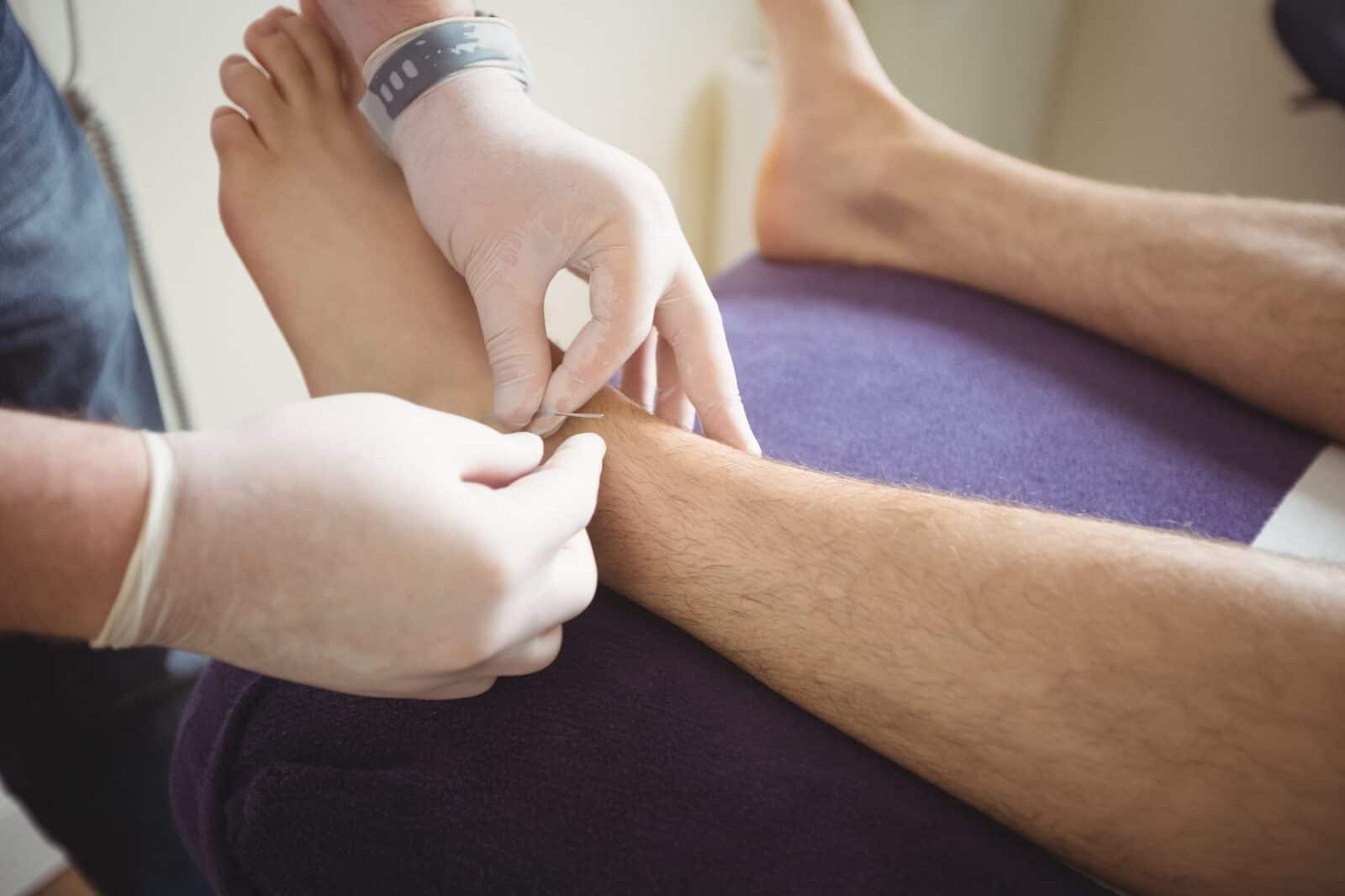
Seeing an athlete’s foot specialist helps prevent recurrence, protects nails, and treats fungal foot infections effectively.
Athlete’s foot specialist
Athlete’s foot, medically known as tinea pedis, is a common fungal infection that affects millions worldwide. While over-the-counter creams may provide temporary relief, persistent or recurring infections often require professional attention. Visiting an athlete’s foot specialist, such as a podiatrist or dermatologist, offers faster, safer, and more effective treatment, reducing the risk of complications and long-term damage.
What Is an Athlete’s Foot Specialist ?
An athlete’s foot specialist is a medical professional trained to diagnose and treat fungal foot infections and related conditions. Most often, these specialists are:
- Podiatrists – focus on foot and ankle health
- Dermatologists – specialize in skin conditions
These experts use diagnostic tools like skin scraping and microscopy to confirm infections caused by dermatophytes such as Trichophyton species. They also address complications like onychomycosis (fungal nail infections) and chronic skin barrier damage.
Why Specialist Care Matters
Even mild fungal infections can become stubborn if not treated correctly. Self-treatment may fail due to:
- Misdiagnosis (eczema or psoriasis mistaken for athlete’s foot)
- Weak over-the-counter antifungals
- Poor hygiene or contaminated footwear
- Recurring infection cycles
A specialist ensures an accurate diagnosis, personalized treatment, and professional guidance to prevent recurrence.
Key Benefits of Seeing a Specialist
1. Accurate Diagnosis
A specialist confirms whether symptoms like itching, redness, or scaling are truly caused by tinea pedis. Misdiagnosis can lead to ineffective treatment and prolonged discomfort.
2. Faster, Stronger Treatment
Experts can prescribe oral or prescription-strength antifungal medications, which work faster than standard OTC creams. For chronic or recurring infections, combination therapies may be recommended to clear the infection completely.
3. Reduced Risk of Recurrence
A professional can identify contributing factors, such as moisture buildup, improper footwear, or excessive sweating, and provide strategies to prevent reinfection, including footwear care and hygiene routines.
4. Protection Against Nail and Skin Complications
Untreated athlete’s foot can spread to nails, causing yellowing, thickening, and brittleness, or lead to cracked skin and secondary bacterial infections. Early specialist intervention prevents these issues.
5. Safe Care for High-Risk Individuals
People with diabetes, poor circulation, or weakened immune systems require specialist oversight. Self-treatment in these cases can be risky, while professional care ensures safety and proper monitoring.
Who Should See a Specialist?
Seek professional care if you notice:
- Symptoms lasting more than two weeks
- Recurring infections despite home treatment
- Nail involvement or discoloration
- Skin cracking or bleeding
- Underlying health risks like diabetes or immune disorders
Decision Rule: Persistent, spreading, or severe infections always warrant expert evaluation.
How a Specialist Treats Athlete’s Foot
Step-by-Step Process:
- Examination – Assess skin and nails for infection type
- Diagnosis – Confirm with skin scraping or lab testing
- Treatment Plan – Prescribe topical or oral antifungals
- Hygiene Strategy – Advice on socks, shoes, and foot care
- Follow-Up – Ensure infection is cleared and recurrence prevented
This structured approach minimizes trial-and-error and addresses the root cause.
Specialist vs Home Treatment
| Factor | Home Treatment | Specialist Care |
| Diagnosis | Self-assessed | Confirmed via lab |
| Medication Strength | Mild OTC | Prescription-strength |
| Speed of Recovery | Slow | Faster |
| Recurrence Risk | High | Lower |
| Nail Protection | Limited | Effective |
| Safety for High-Risk Patients | Risky | Monitored |
Common Types of Athlete’s Foot Treated
- Interdigital – occurs between the toes
- Moccasin-type – dry, scaly soles
- Vesicular – small blisters on the feet
- Chronic/Recurrent – persistent infections requiring ongoing management
Decision Framework: When to See a Specialist
- Early Symptoms – Mild itching may be monitored
- Persistent or Severe – Redness, scaling, or blisters lasting >2 weeks
- Recurrent Infection – Symptoms return after treatment
- Complications – Nail involvement, cracks, or pain
- High-Risk Patients – Diabetes, immune compromise, or poor circulation
Preventing Recurrence After Treatment
Even after professional care, preventive steps reduce future infections:
- Keep feet clean and dry
- Change socks daily and avoid damp footwear
- Use antifungal powders in shoes
- Avoid walking barefoot in public showers
- Disinfect shoes regularly
Cost Considerations
- Specialist consultation ranges by region, often $50–$150 per visit globally
- Prescription medications may be covered by insurance in some countries
- Follow-up visits ensure infection clearance and prevent long-term complications
While costs vary, investing in expert care reduces risk, prevents prolonged treatment, and avoids recurring infections.
FAQs about athlete’s foot specialist
1. Is athlete’s foot contagious?
Yes, it can spread through shared floors, towels, or shoes.
2. Can a podiatrist cure athlete’s foot permanently?
Specialists significantly reduce recurrence and treat underlying causes, but preventive care is still needed.
3. When should I see a specialist?
If symptoms persist beyond two weeks, recur, or involve nails or cracks.
4. Is athlete’s foot serious if left untreated?
It can lead to nail infections, secondary bacterial infections, and skin damage, especially in high-risk individuals.
5. How fast does specialist treatment work?
Treatment usually clears infection in 2–6 weeks, depending on severity.
6. Can children see an athlete’s foot specialist?
Yes, care is safe and often recommended if symptoms persist.
7. What’s the difference between a podiatrist and dermatologist for athlete’s foot?
Podiatrists focus on foot mechanics and infections, while dermatologists treat skin and nail conditions; both provide expert antifungal treatment.
8. Can I treat athlete’s foot at home?
Mild cases may improve with OTC creams, but professional care is advised for chronic, severe, or recurrent infections.
9. Are prescription antifungals necessary?
Often yes, especially for stubborn infections or nail involvement.
Conclusion
Seeing an athlete’s foot specialist is more than a precaution—it’s a strategic choice for effective, safe, and long-lasting relief. From accurate diagnosis and strong treatment to recurrence prevention and protection for nails and skin, professional care ensures better outcomes than self-treatment alone.
Whether you are a first-time patient or dealing with chronic or recurring athlete’s foot, early intervention by a specialist saves time, reduces complications, and supports long-term foot health.
Also Read: Katie Van Slyke
Also Read: Emma Chamberlain
Also Read: Brooke Monk
About the Author